Have you ever wondered why two people can follow the exact same workout plan, yet one sees massive gains while the other stays stuck in a plateau? The difference usually lies in personalization, a luxury that used to cost hundreds of dollars in monthly coaching fees. Today, we are going to explore how to use ChatGPT or Claude to make a gym plan and diet chart that rivals professional coaching for a fraction of the cost.
The rise of Large Language Models (LLMs) has democratized access to health information, turning your smartphone into a 24/7 personal trainer. Whether you are looking to shed weight, build muscle, or simply improve your cardiovascular health, these AI tools can process complex biological data to create a roadmap tailored specifically to your lifestyle. By the end of this guide, you will have the exact frameworks needed to transform your fitness journey using AI-powered fitness coaching.
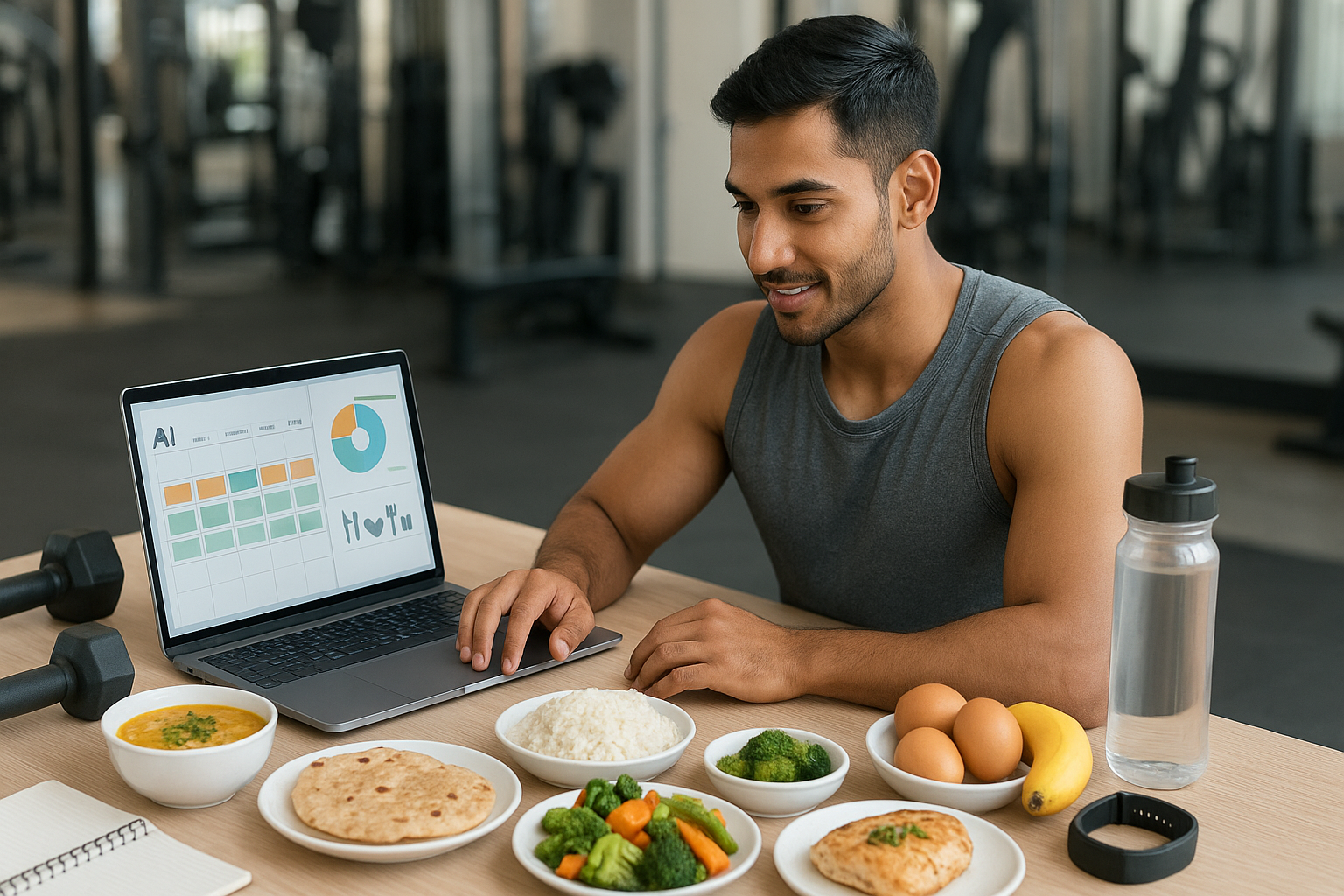
The Evolution of Fitness: Why AI is Replacing Cookie-Cutter PDFs
For decades, the fitness industry relied on "cookie-cutter" programs—static PDF files sold to thousands of people regardless of their unique body types or schedules. The primary problem with these plans is their lack of adaptability; they don't account for your specific injuries, the equipment available at your local gym, or your personal taste in food. This is where personalized workout routines with ChatGPT change the game by offering a dynamic interaction that evolves as you do.
What many readers get wrong is treating AI like a simple search engine. If you ask it for a "generic 3-day split," you will get a generic result that you could have found on any fitness blog. The secret to success lies in "Prompt Engineering," which involves giving the AI a comprehensive profile of your current physical state and your ultimate goals. By providing context, you allow the AI to apply progressive overload training principles to your specific situation, ensuring that your muscles are consistently challenged without being overworked.
This trending shift toward AI-driven health is not just about convenience; it is about precision. Generative models like Claude 3.5 Sonnet and ChatGPT-4 are trained on vast datasets of exercise science and nutritional research, allowing them to spot patterns and suggest optimizations that a human might miss. Now that we understand the "why," let’s look at the "how" by preparing the data the AI needs to be effective.
The Bio-Data Prompt: Setting the Foundation
Before the AI can build a house, it needs to know the terrain. You must provide your age, weight, height, gender, activity level, and medical history. Be specific about your goals: are you training for a marathon, or are you interested in generative AI for bodybuilding? The more data you feed the machine, the more accurate the output will be.
You should also include your "lifestyle constraints." If you can only spend 45 minutes in the gym or if you have a recurring shoulder injury, tell the AI. This ensures the plan is not just effective on paper, but sustainable in your real life. Once the foundation is set, you can move on to the actual construction of your physical routine.
Crafting the Perfect Workout: How to Use ChatGPT or Claude to Make a Gym Plan
To get a high-quality response, you need to use a multi-step prompting strategy. Start by assigning the AI a role, such as a "Master Strength and Conditioning Coach with 20 years of experience." This sets the tone and complexity of the response. Below is a ready-to-copy prompt you can use to generate a home workout schedule for beginners or an advanced gym routine.
Copy/Paste Prompt: "Act as a professional fitness coach. I am a [Age]-year-old [Gender], weighing [Weight] at [Height]. My goal is to [Goal - e.g., lose 10lbs of fat/build muscle]. I have access to [Equipment - e.g., full gym/dumbbells only]. I can work out [Number] days per week for [Time] minutes. Please create a detailed weekly gym plan including exercises, sets, reps, and rest periods. Incorporate progressive overload and explain the logic behind the exercise selection."
When you use this prompt, Claude or ChatGPT will break down your week into manageable sessions. It will typically suggest a "Push/Pull/Legs" split or an "Upper/Lower" split depending on your frequency. The AI will also explain how to increase the intensity over time, which is the core of muscle growth. But a great workout is only half the battle; without the right fuel, your efforts in the gym will go to waste.
Nutritional Precision: Designing a Diet Chart That Actually Works
Nutrition is often where people struggle the most because it requires constant tracking and decision-making. By using macro tracking with AI, you can remove the guesswork from your kitchen. The AI can calculate your Total Daily Energy Expenditure (TDEE) and then subtract or add calories based on whether you want to lose fat or gain mass.
When asking for a diet chart, it is vital to mention your dietary preferences. If you are vegan, keto, or have a nut allergy, the AI will adjust its recommendations accordingly. You can even ask it to generate automated grocery lists for fitness based on the meal plan it creates, saving you hours of planning each week. This level of integration makes sticking to a custom meal plans for weight loss much easier for the average person.
Calculating Macros and Meal Timing
A good diet plan isn't just about total calories; it is about the balance of proteins, fats, and carbohydrates. Ask the AI to break down your daily intake into specific gram amounts. For example, a common request might be: "Provide a meal plan that hits 180g of protein, 70g of fat, and 200g of carbs across four meals."
The AI can then suggest specific food pairings, such as Greek yogurt with berries for breakfast or grilled salmon with quinoa for dinner. It can even suggest "on-the-go" options if you have a busy work schedule. With your nutrition and training locked in, you need to know how to monitor your progress and make adjustments.
Key Facts: ChatGPT vs. Claude for Fitness Planning
While both tools are powerful, they have slight differences in how they handle fitness data. The following table highlights the key strengths of each when building your plan.
| Feature | ChatGPT (GPT-4) | Claude (3.5 Sonnet) |
|---|---|---|
| Tone | Direct and instructional | Nuanced and conversational |
| Formatting | Good for tables and lists | Excellent for long-form guides |
| Logic | Strong mathematical calculations | Better at following complex constraints |
| Real-time Data | Can browse the web for trends | Limited to training data (very stable) |
Choosing the right tool depends on your preference for detail versus speed. Regardless of which you choose, the ability to refine the plan is what will lead to long-term success. If you find that a specific exercise hurts your joints or a meal makes you feel sluggish, you can simply tell the AI, and it will provide an alternative in seconds. This feedback loop is the secret weapon of modern fitness enthusiasts.
Refining the Results: The Feedback Loop and Safety
One of the biggest mistakes users make is treating the first output as the final version. Think of the first draft as a "Beta" version of your fitness journey. After one week of following the plan, go back to the AI and report your results. Tell it which exercises were too easy, which ones were too hard, and how your energy levels felt throughout the day.
Safety is another critical factor. While AI is brilliant, it cannot see your form. Always cross-reference the exercises suggested by the AI with video tutorials from reputable sources. If the AI suggests a "Barbell Squat," search for a form guide to ensure you are protecting your spine. AI should be used as a consultant, not a substitute for common sense or medical advice from a doctor.
- Always start with a lighter weight than the AI suggests to test your form.
- Update your weight and measurements in the prompt every two weeks.
- Ask the AI for "alternative exercises" in case your gym is crowded.
- Use the AI to explain the "why" behind every movement to build your own knowledge.
By maintaining this dialogue with the technology, you create a living document that grows with you. This iterative process ensures that you never hit a dead end in your training. Now, let's address some of the most common questions people have when starting this AI-enhanced journey.
Frequently Asked Questions
Can AI really replace a human personal trainer?
AI is excellent for programming and nutrition planning, but it lacks the ability to correct your physical form in real-time. It is a perfect tool for someone who is self-motivated and understands basic exercise safety. However, for high-level athletes or those with severe injuries, a human coach's eye is still invaluable.
Is the diet advice from ChatGPT safe?
Generally, the advice is based on standard nutritional guidelines. However, AI can sometimes hallucinate specific calorie counts or nutrient densities. Always use a secondary app like MyFitnessPal to verify the exact macros of the suggested meals, and consult a doctor before starting a radical new diet.
How often should I ask the AI to update my plan?
A good rule of thumb is to request an update every 4 to 6 weeks. This timeframe allows your body to adapt to the current stimulus while preventing boredom. You should also update the plan if you experience a significant lifestyle change, such as a new job or a change in gym equipment.
Which AI is better for calculating macros?
ChatGPT-4 tends to be slightly better at the raw math required for TDEE and macro splits. However, Claude is often better at explaining the nutritional science behind those numbers in a way that is easy to understand. Both will give you results that are more than adequate for 95% of fitness goals.
Conclusion
Learning how to use ChatGPT or Claude to make a gym plan and diet chart is a superpower in the modern age. It removes the barriers of high costs and confusing information, providing a clear, actionable path toward your physical goals. By using the specific prompts and refinement strategies outlined today, you can turn these advanced language models into the most dedicated coaching staff you have ever had.
Remember that the best plan is the one you actually follow. AI can give you the map, but you still have to walk the path. Start small, stay consistent, and use the power of artificial intelligence to optimize every rep and every meal along the way.

Comments
Post a Comment